
Picking tiles for your kitchen splashback
A kitchen splashback might seem like a small detail, but it can completely transform the look and feel of your kitchen. Whether you're building new or renovating, choosing the right tile can be the difference between a kitchen that feels timeless and one that quickly dates.
With so many colours, shapes, finishes and layouts available, it's easy to feel overwhelmed by the options. The good news is that choosing a splashback becomes much simpler when you approach it as part of the overall kitchen design rather than as a standalone feature.
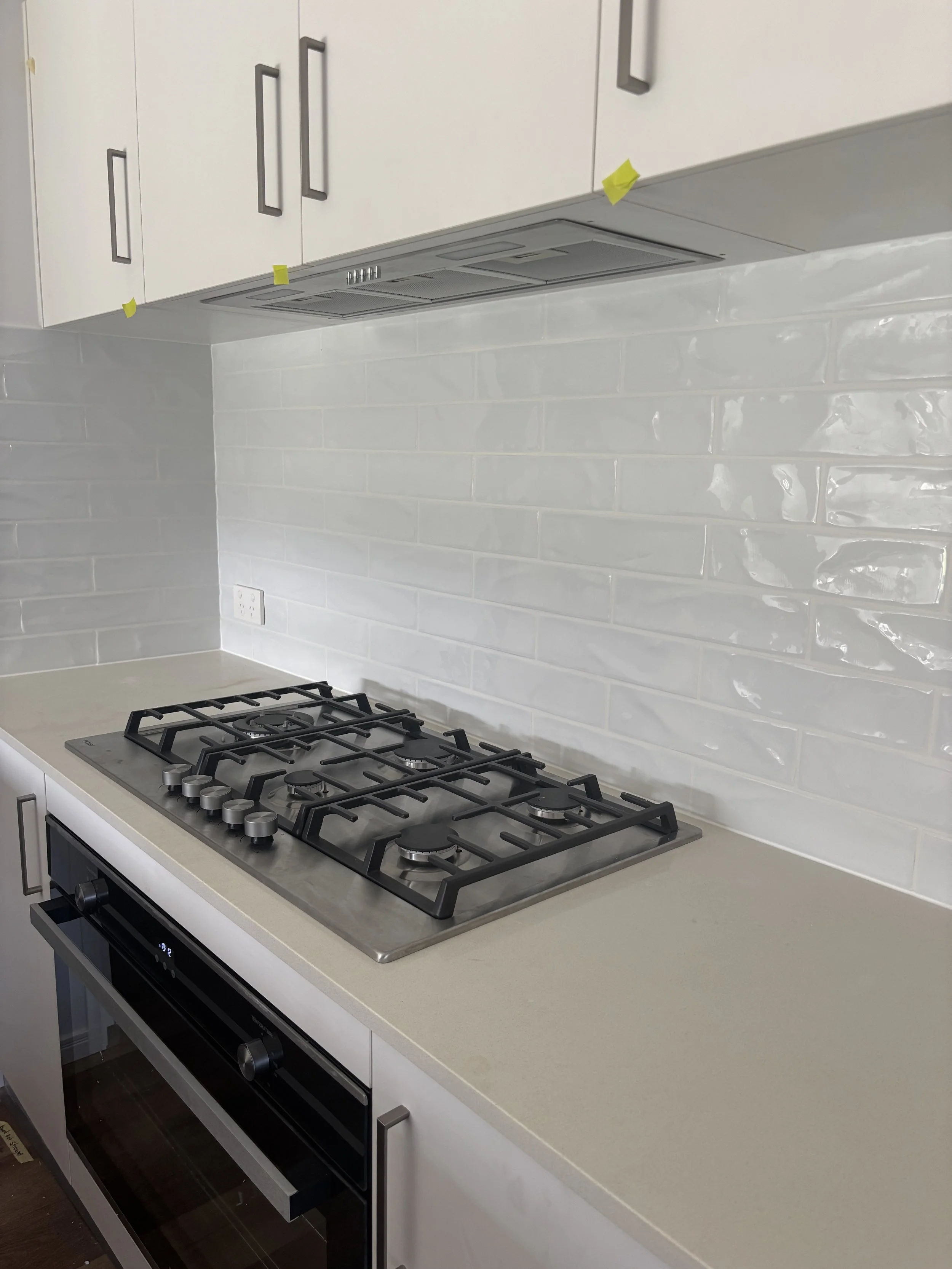
Consider your overall style
Before falling in love with a tile, take a step back and look at your kitchen as a whole.
Ask yourself what style you're trying to achieve:
Modern and minimal?
Coastal and relaxed?
Classic and timeless?
Bold and contemporary?
Your splashback should complement your cabinetry, benchtops, flooring and fixtures rather than compete with them.
For example, a sleek modern kitchen often suits large-format tiles, simple subway tiles or slab splashbacks with minimal grout lines. A coastal-inspired kitchen may benefit from softer colours, textured finishes and handmade-look tiles that add warmth and character.
If you're unsure of your style, create a mood board using inspiration images you've saved. You'll often notice recurring colours, textures and design elements that can help guide your decision.
Let your benchtop lead the way
A good rule of thumb is to choose your benchtop first.
In most kitchens, the benchtop is one of the largest and most visually dominant surfaces. Once you've selected your stone, laminate or timber benchtop, it becomes much easier to narrow down splashback options.
If your stone features strong veining or movement, a simpler splashback tile often works best. This allows the benchtop to remain the hero of the space without creating visual clutter.
On the other hand, if your benchtop is more subtle, your splashback can become the feature and add texture, colour or pattern.
The goal is balance.
Think of your kitchen as a collection of layers. If every surface is competing for attention, the space can quickly feel busy and overwhelming. By allowing one element to take centre stage, the overall design feels more cohesive and considered.
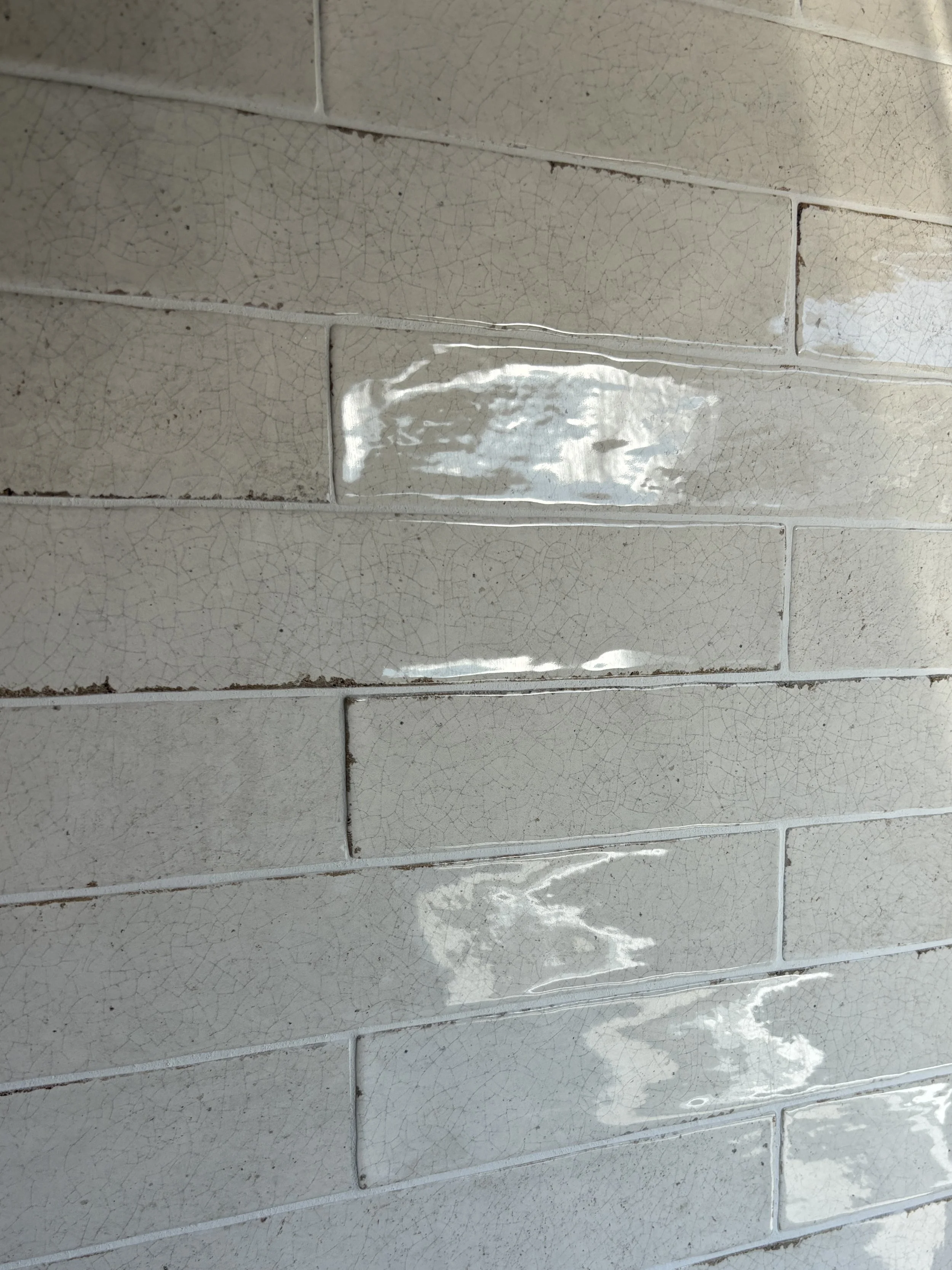
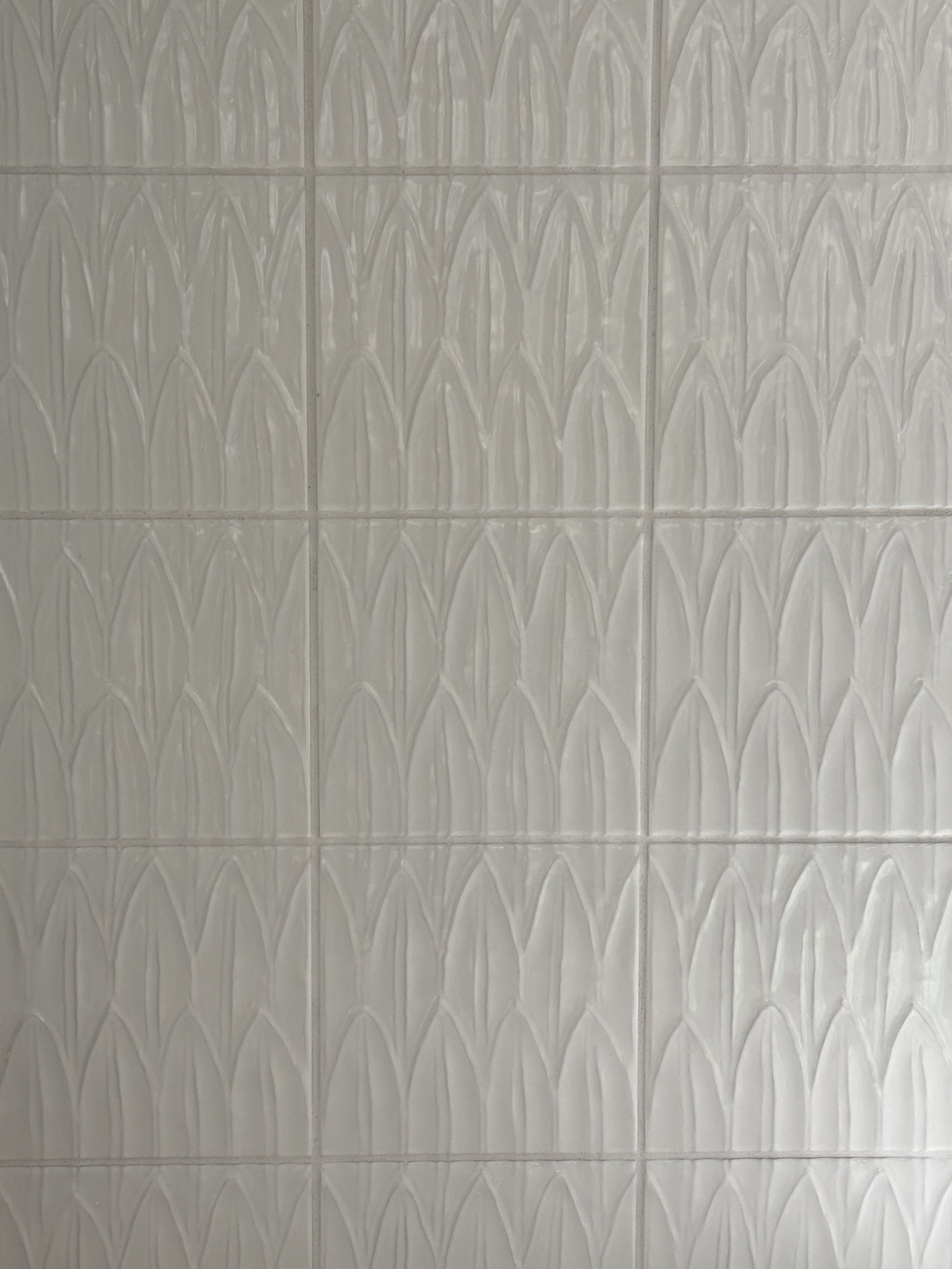
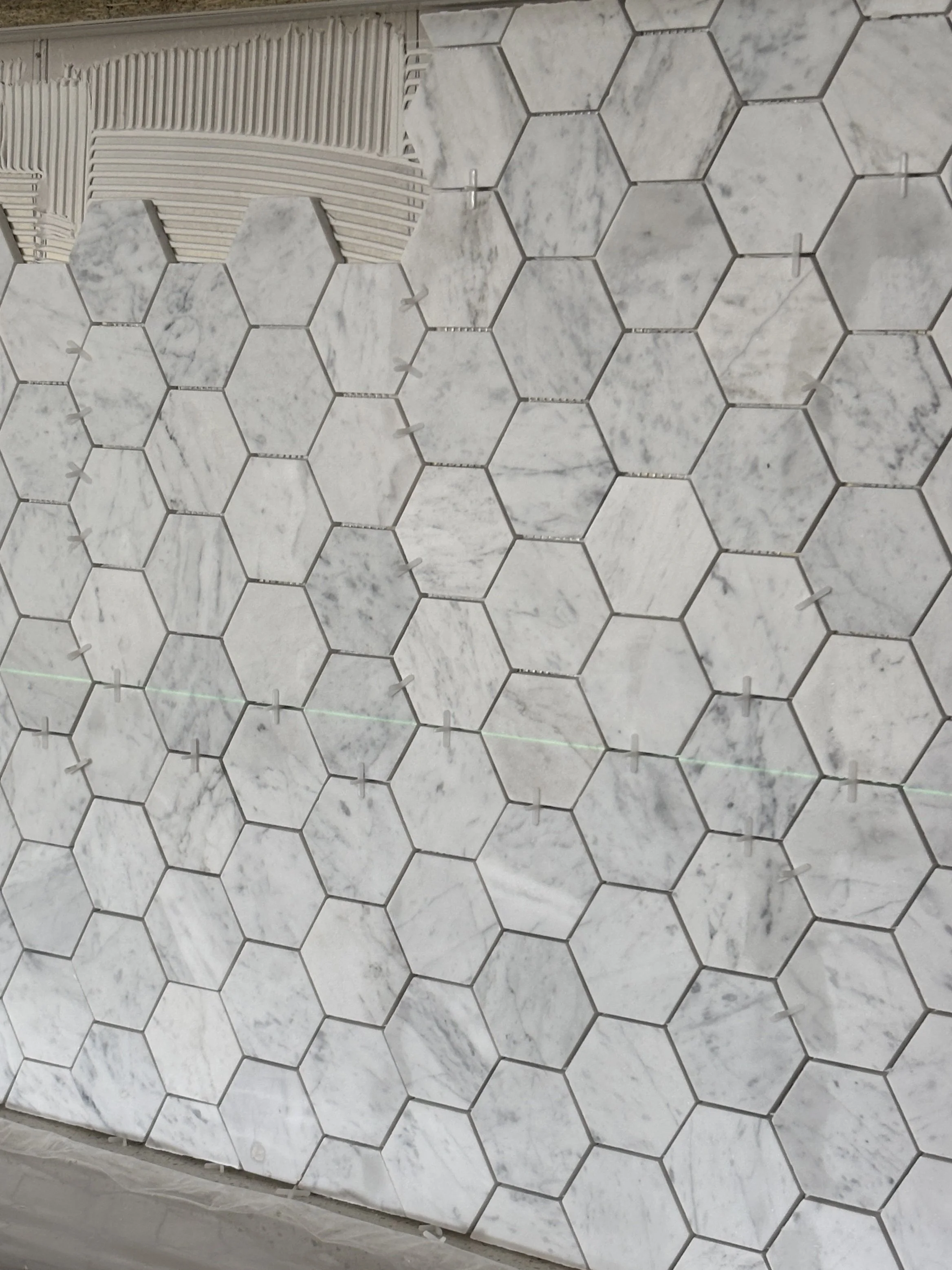
Think beyond colour
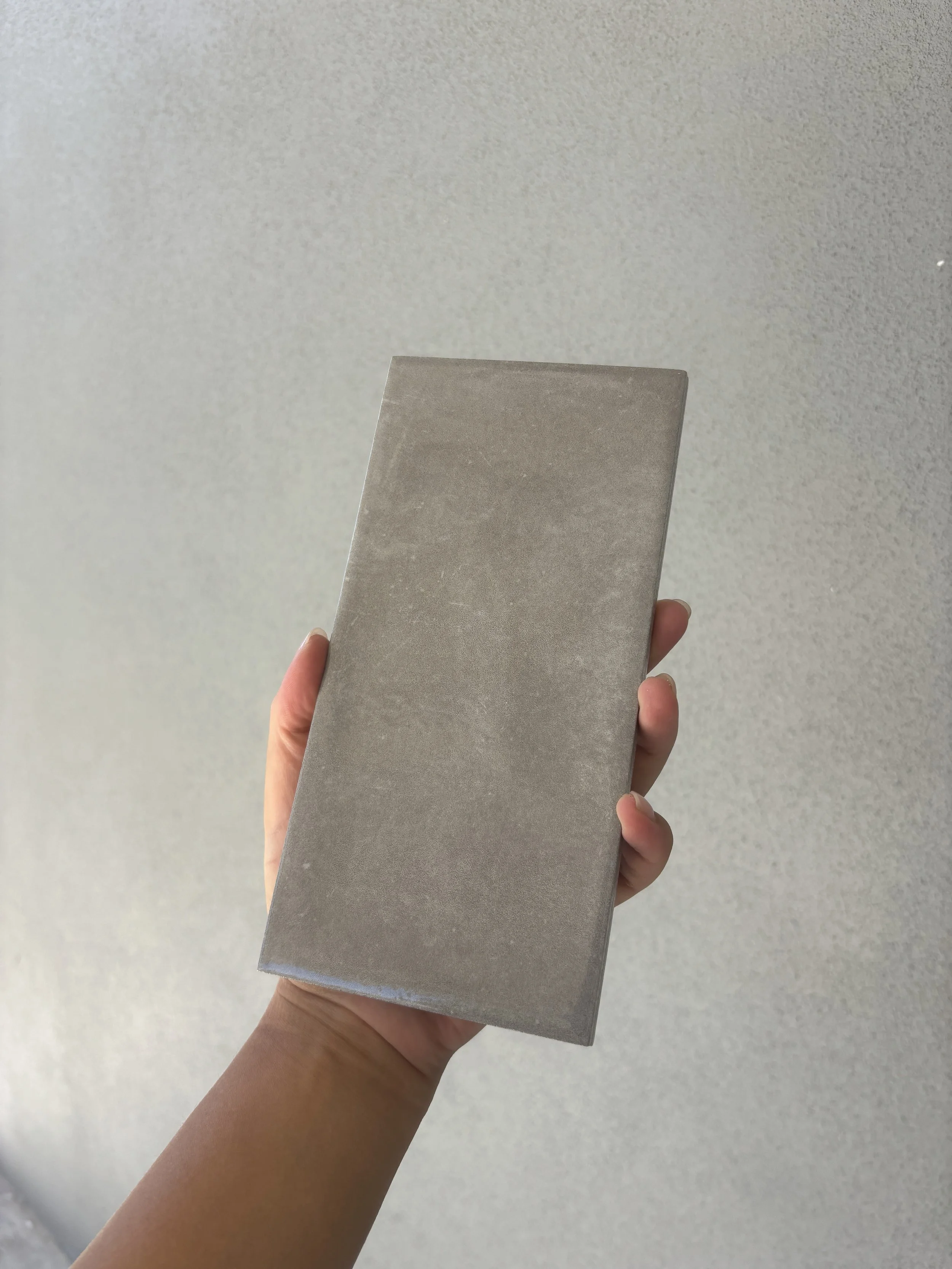
Colour is often the first thing people notice when choosing tiles, but it's only one piece of the puzzle. Shape, texture, size and finish can all dramatically influence the final result.
Some popular options include:
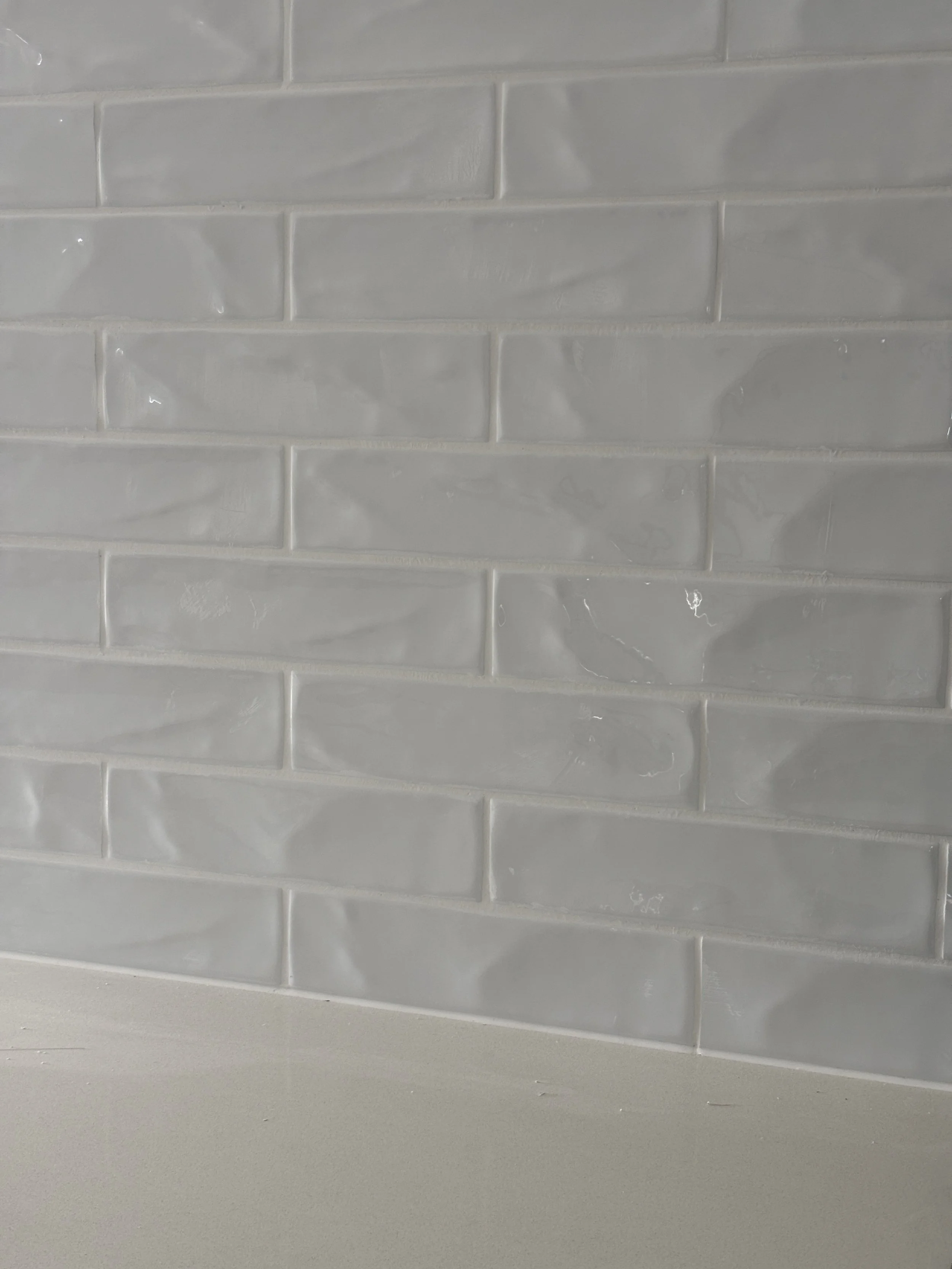
Handmade-look subway tiles for warmth and character
Large-format tiles for a seamless, modern look
Kit Kat mosaics for texture and visual interest
Natural stone for a timeless, luxurious feel
Square tiles for a contemporary yet classic aesthetic
Finger mosaics for a softer, organic appearance
The tile's finish can also dramatically impact the final result. Gloss tiles reflect light and brighten a space, while matte finishes offer a softer, more contemporary aesthetic.
Textured tiles can add depth and interest, particularly in neutral kitchens where subtle variation creates visual appeal without relying on bold colours.
Consider tile layout
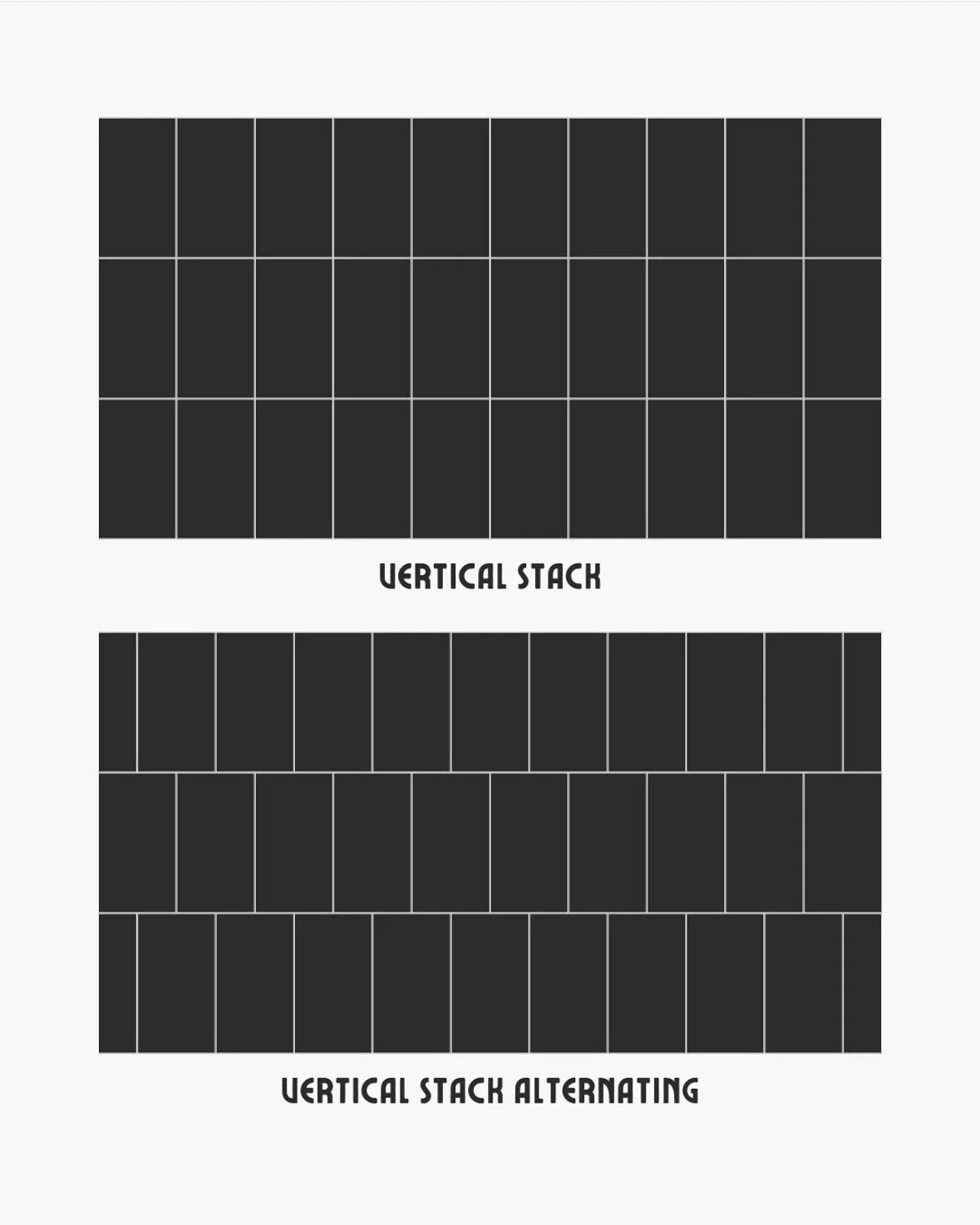
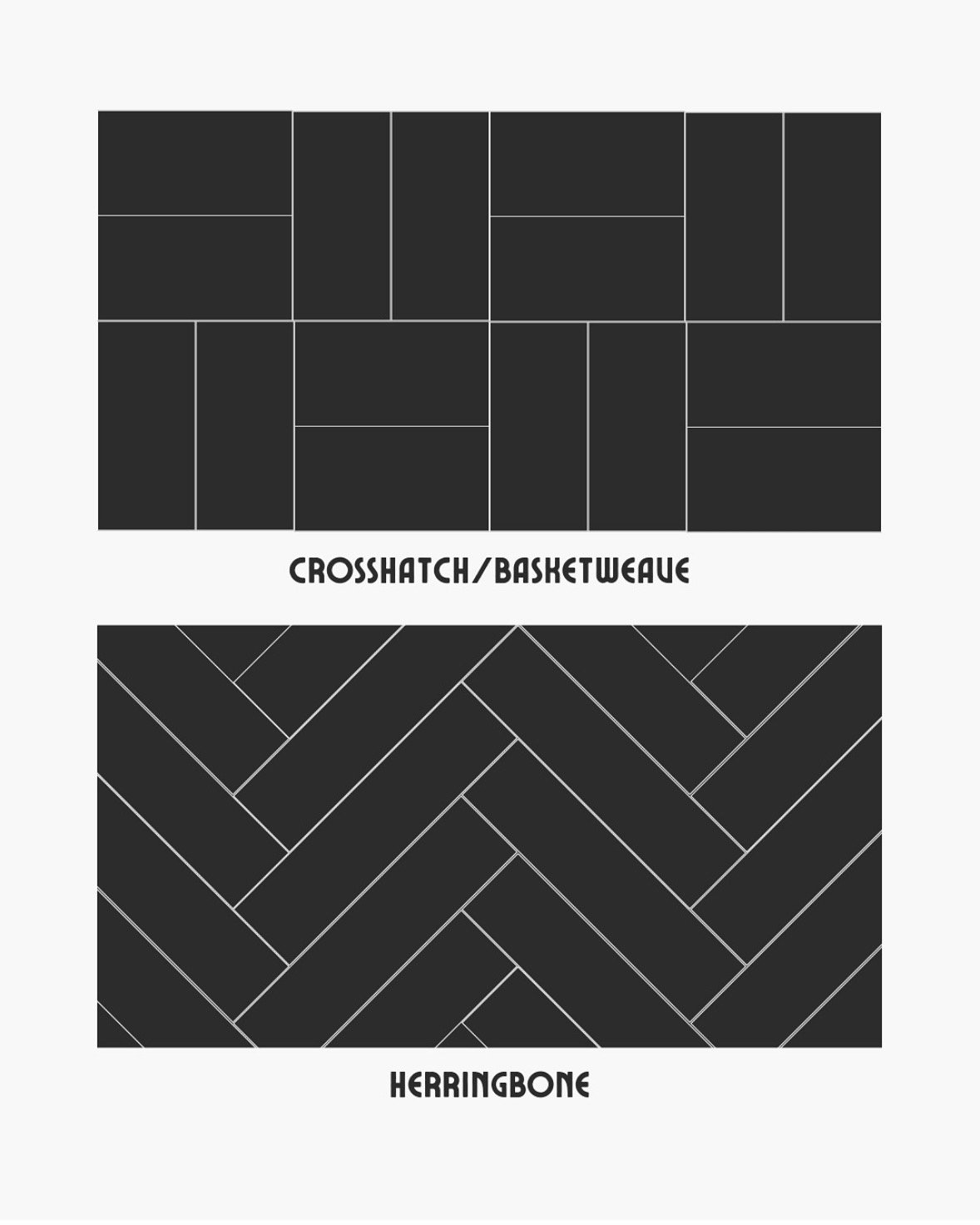
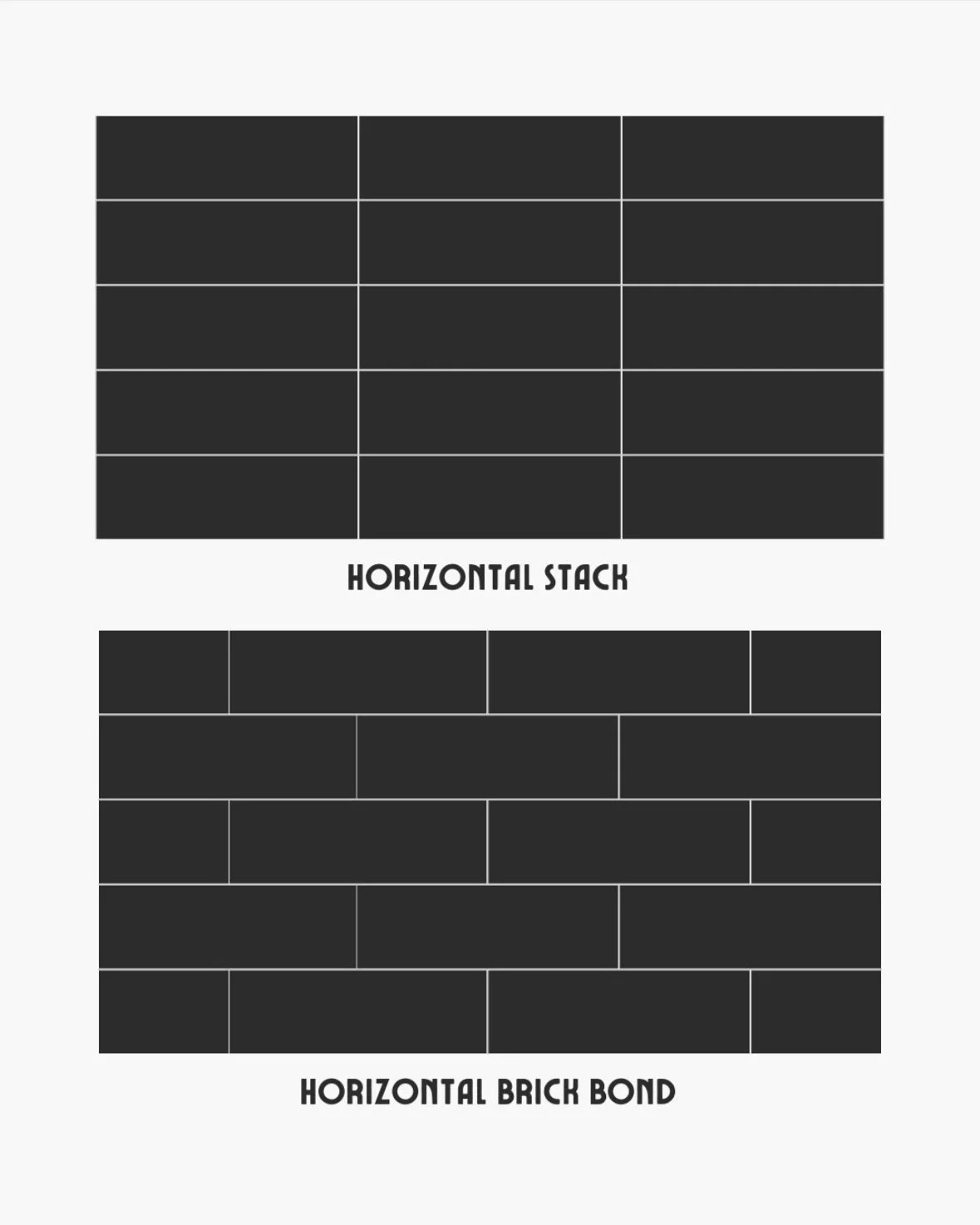
The layout pattern can be just as important as the tile itself. A simple subway tile can look completely different depending on how it's installed.
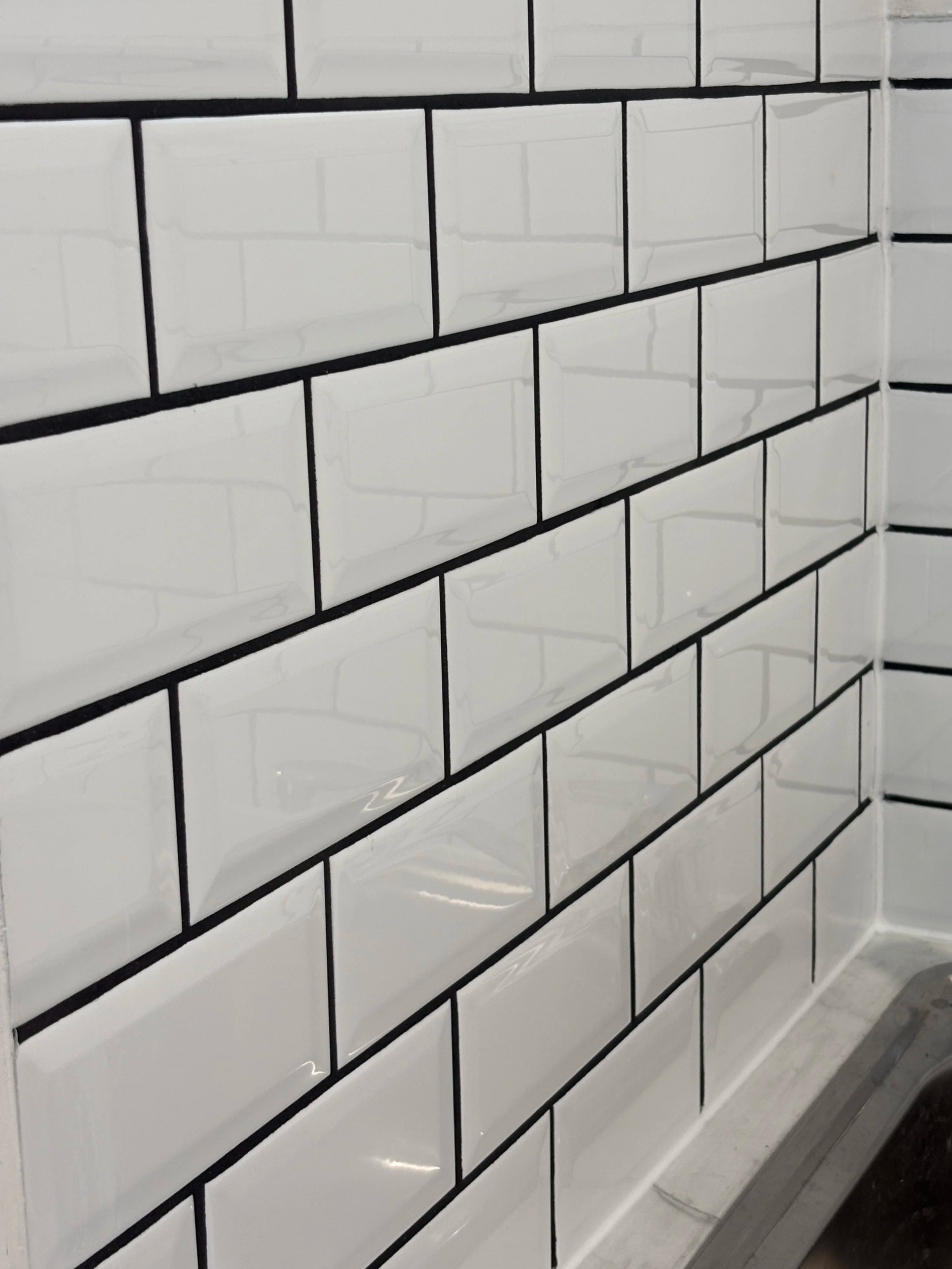
For example, a classic white subway tile laid in a traditional brick pattern creates a timeless look, while the same tile installed vertically can feel fresh and contemporary.
If you're working with a simple tile, experimenting with the layout can be an effective way to add personality.
Don’t forget about grout
Many homeowners treat grout as an afterthought, but it can significantly influence the overall appearance of the splashback.
A contrasting grout can highlight the shape and pattern of the tile, while a colour-matched grout creates a more seamless appearance.
It's also worth considering practicality. Lighter grout colours may require more frequent cleaning in busy family kitchens, particularly behind cooktops where splashes and stains are more common.
Check out our first blog How to choose the right grout colour for you tiles for more tips.
Consider maintenance
Start by asking yourself: Where will the splashback be installed?
A splashback behind a sink has different maintenance demands to one behind a cooktop. While a sink splashback is more likely to encounter water spots and soap residue, a cooktop splashback will be exposed to grease, oil splatters and food stains.
For this reason, you might hesitate to install an intricate mosaic with numerous grout lines directly behind a cooktop, as it can require more frequent cleaning. The same tile behind a sink, however, may be a more forgiving choice where day-to-day maintenance is less demanding.
Gloss, satin, and some matte ceramic and porcelain tiles are generally easy to clean and maintain, making them practical options for busy households. Their smooth surfaces allow grease and cooking residue to be wiped away with minimal effort.
Natural stone and heavily textured tiles may require additional care, sealing and ongoing maintenance to keep them looking their best.
There's no right or wrong choice. It's simply about finding the balance between aesthetics and practicality that works for your home.
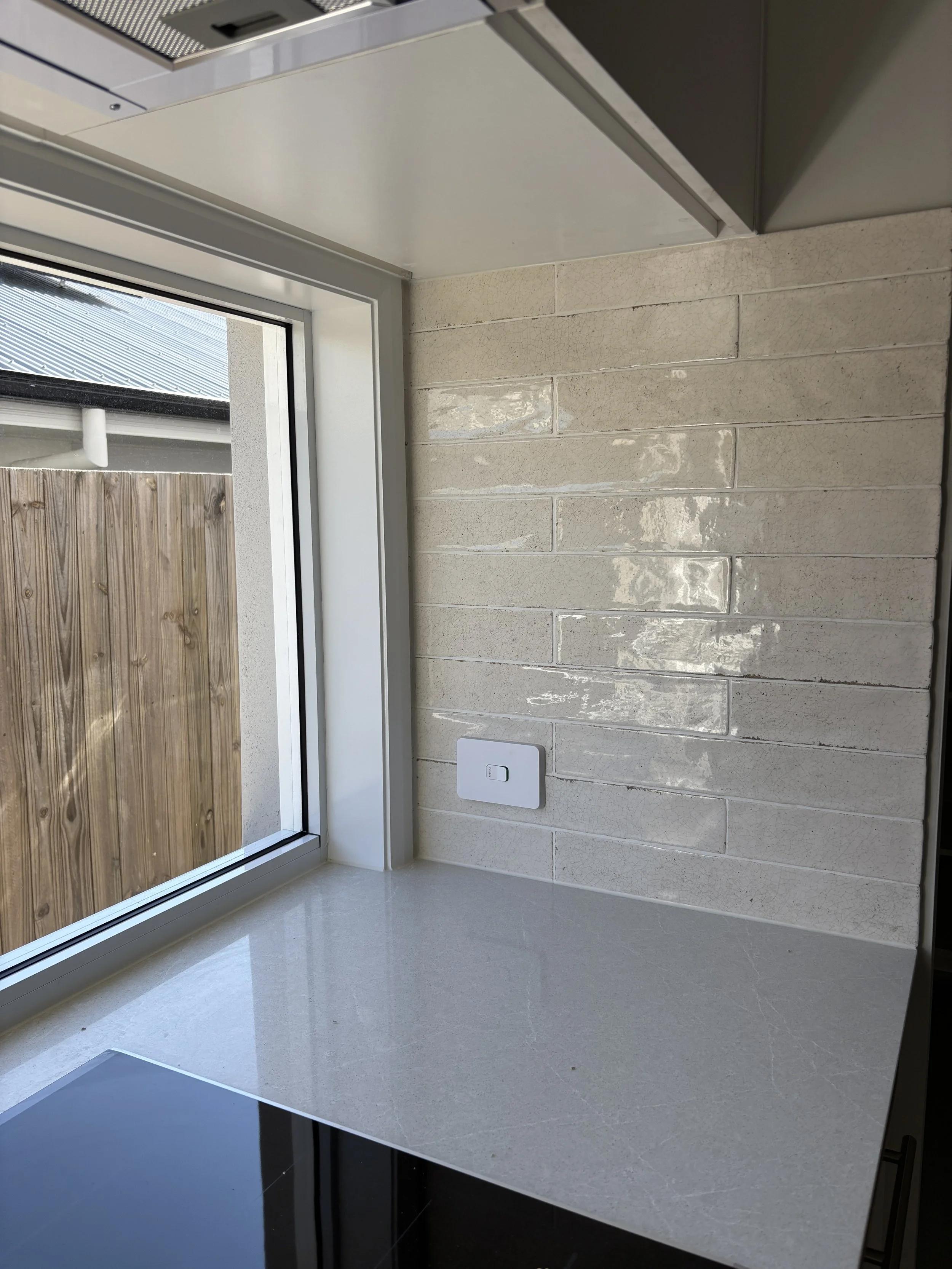
The best kitchen splashback tile isn't necessarily the most expensive or the trendiest. It's the one that complements your space, suits your lifestyle and creates a kitchen you'll love for years to come.
By considering your overall style, benchtop selection, tile shape, finish, layout, grout colour and maintenance requirements, you'll be far more likely to achieve a result that feels cohesive and timeless.
Remember, trends come and go, but a thoughtfully chosen splashback can remain a feature you'll enjoy every day for many years to come.
